Master AI-Powered Project Management
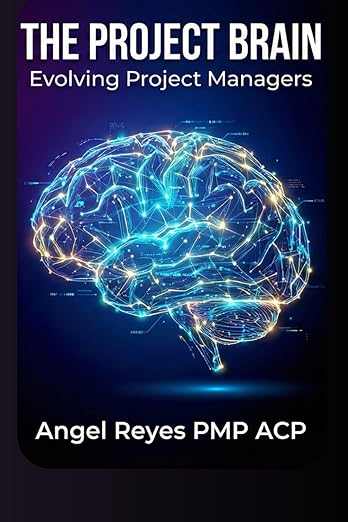
Learn how to save 10-15 hours per week on project management tasks and build your own AI command center.
Get The Project Brain on AmazonIn the ever-evolving world of project management, staying ahead of the curve requires continuous learning and adaptation. A project management book can serve as a comprehensive guide to mastering project management skills, offering both theoretical insights and practical applications. Whether you're preparing for the PMP exam or seeking to enhance project outcomes, the right resources can make a significant difference.
From the project management body of knowledge to agile project management approaches, these books cover critical methodologies and best practices for ensuring project success. Whether you are an experienced program manager or a non-project manager stepping into new responsibilities, this curated list of the best project management books will help you navigate complex projects with confidence.
Why Project Management Books Are a Must-Have Resource
Project management books are more than just tools for academic study; they are valuable resources for professionals at all levels of expertise. Whether you're managing small teams or large-scale projects, these books provide a wealth of knowledge to improve your project delivery and outcomes. They offer actionable insights into the phases of project management, from initiation and planning to execution and closure, ensuring you're well-prepared to tackle any challenge.
For beginners, project management books lay the foundation by introducing core project management skills and methodologies. For seasoned professionals, they serve as a guide to mastering advanced techniques, including stakeholder analysis, change management, and agile project management. By learning from the experiences and expertise shared in these books, you can develop the decision-making abilities necessary for project success.
Understanding the Project Management Body of Knowledge
The project management body of knowledge, often referred to as PMBOK®, is an essential framework that encompasses the core principles, processes, and knowledge areas required for effective project management. It provides a structured approach to managing projects, ensuring that all aspects, from scope management to cost management, are covered comprehensively. The PMBOK® Guide, published by the Project Management Institute (PMI), is a globally recognized resource that serves as a benchmark for the project management discipline.
At the heart of the PMBOK® Guide are its knowledge areas, which include key aspects such as integration, time, quality, and risk management. These knowledge areas are designed to help project leaders and team members navigate complex projects and deliver successful outcomes. Additionally, the PMBOK® Guide emphasizes the importance of performance domains, which focus on the dynamic aspects of project management, such as stakeholder engagement and team collaboration.
Understanding and applying the principles outlined in the project management body of knowledge can significantly improve project performance. Whether you're pursuing a PMP certification or looking to refine your project management practice, the PMBOK® Guide offers a comprehensive roadmap for success. Its insights are not only applicable to traditional project management methods but also adaptable to modern approaches like agile methodologies.
Insights on Program Management and Project Planning
Program management, a discipline closely related to project management, focuses on coordinating multiple related projects to achieve overarching business objectives. Books on program management often delve into strategies for aligning projects with organizational goals, managing resources effectively, and ensuring consistent project outcomes. These insights are invaluable for program managers who oversee complex projects across various industries.
Project planning, on the other hand, is a critical phase in the project management life cycle that involves defining objectives, allocating resources, and developing schedules. Effective project planning sets the stage for project success by establishing clear priorities and ensuring that all team members are aligned on the project's goals. By mastering the art of project planning, you can mitigate risks, optimize resource allocation, and enhance overall project performance.
Books like "Project Management Absolute Beginner's Guide" by Greg Horine and "Fundamentals of Project Management" by Joseph Heagney provide practical advice and step-by-step guidance for developing robust project plans. These resources are particularly beneficial for those new to the field, as they simplify complex concepts and offer real-world examples to illustrate best practices.
Master Project Management with AI
The Project Brain teaches you how to leverage AI for project planning, stakeholder management, and automated reporting.
Get the Book on Amazon →Top 10 Project Management Books for Your Browsing Experience
Whether you're a beginner looking to get started or an experienced professional aiming to refine your skills, finding the best project management books can be a game-changer. These books not only provide theoretical knowledge but also offer practical tools and techniques to enhance your project management practice. Below is a curated list of books that cater to a wide range of experience levels and project types, ensuring there's something for everyone.
Books for Beginners
For those just starting out in project management, selecting the right resources is crucial. Beginner-friendly books are designed to introduce fundamental concepts and build a strong foundation for understanding project management methodologies. "Project Management for Dummies" by Stanley E. Portny is a classic choice for newcomers, offering an easy-to-follow guide to project management basics. With practical tools and straightforward language, this book makes even complex topics accessible.
Another excellent resource is "Fundamentals of Project Management" by Joseph Heagney. This book provides an overview of essential project management skills, such as time management, cost management, and scope management. It also includes real-world examples and case studies that demonstrate how to apply these skills in various project types.
"Project Management Absolute Beginner's Guide" by Greg Horine is another must-read for novices. Known for its clear explanations and step-by-step instructions, this book covers everything from project planning to stakeholder engagement. It's particularly helpful for non-project managers who find themselves tasked with leading projects, as it breaks down complex processes into manageable steps.
Books for Advanced Professionals
For experienced project managers and program managers, advanced books provide deeper insights into the nuances of project management discipline. "The Fast Forward MBA in Project Management" by Eric Verzuh is a comprehensive guide that addresses complex projects and program management strategies. It's a valuable resource for professionals looking to enhance their knowledge of project portfolio management and agile approaches.
"Critical Chain" by Eliyahu M. Goldratt offers a unique perspective on project management methods by focusing on the constraints and bottlenecks that often hinder project success. This book is particularly useful for those managing large software projects or other complex endeavors, as it provides innovative solutions for optimizing project performance.
"Mastering Project Management" by James P. Lewis is another excellent choice for advanced professionals. This book delves into the art of decision-making and relationship management, offering practical advice for navigating the challenges of stakeholder engagement and team collaboration. It's an indispensable resource for those aiming to elevate their project management skills to the next level.
Exploring the PMBOK® Guide and Agile Practice Guide
The PMBOK® Guide and Agile Practice Guide are cornerstone resources in the field of project management, offering insights that cater to both traditional and modern methodologies. Whether you are preparing for the PMP exam or simply looking to refine your project management practice, these guides provide essential knowledge for successfully navigating various project types. By combining the structured approach of the PMBOK® Guide with the flexibility of agile methodologies, project managers can adapt to the dynamic demands of today's projects.
Why the PMBOK® Guide is Essential
The PMBOK® Guide is widely regarded as the definitive resource for mastering the project management discipline. Published by the Project Management Institute (PMI), this comprehensive guide provides a detailed overview of the core knowledge areas and project management processes required to achieve project success. Now in its seventh edition, the PMBOK® Guide has evolved to include modern concepts while maintaining its focus on traditional methodologies.
One of the key strengths of the PMBOK® Guide is its emphasis on performance domains, which include essential areas such as project risk management, stakeholder engagement, and cost management. These domains help project teams address the dynamic challenges that arise during the project life cycle, ensuring better project outcomes. Additionally, the guide provides a robust framework for mastering project management knowledge areas, such as integration, scope, and quality management, making it an invaluable tool for both new and experienced project leaders.
For those aiming to earn their PMP certification, the PMBOK® Guide serves as the foundation for understanding the principles and best practices assessed in the exam. Its structured approach and in-depth explanations of project management processes make it an essential resource for anyone seeking to deepen their understanding of the field. Whether you're managing complex projects or focusing on project delivery, the PMBOK® Guide offers valuable insights to enhance your practice.
Agile Approaches and Real-World Applications
In addition to the PMBOK® Guide, the Agile Practice Guide has become an indispensable resource for project managers navigating the shift toward agile methodologies. Co-created by the Project Management Institute and the Agile Alliance, this guide provides a comprehensive overview of agile approaches, including Scrum, Kanban, and hybrid models. These methodologies are particularly effective for managing large software projects, where flexibility and adaptability are key.
The Agile Practice Guide emphasizes the importance of collaboration, iterative development, and continuous improvement. By incorporating agile principles into their workflows, project managers can respond more effectively to changes, engage stakeholders more meaningfully, and achieve better project performance. The guide also includes real-world examples and case studies that demonstrate how agile methodologies can be applied across different industries and project types.
For those new to agile project management, resources like Jeff Sutherland's work on Scrum provide a deeper understanding of how to implement agile approaches successfully. By combining the structured insights from the PMBOK® Guide with the flexibility offered by the Agile Practice Guide, project managers can build a versatile toolkit that prepares them for the challenges of modern project management.
Elevate Your PM Skills
Learn proven AI workflows that transform how you manage projects, meetings, and stakeholder communications.
Get The Project Brain →Learning from Case Studies and Real-World Examples
Case studies and real-world examples are invaluable for understanding how theoretical concepts translate into practical application. By analyzing real-life scenarios, project managers can gain valuable insights into the challenges and opportunities that arise during project execution. These examples not only illustrate best practices but also highlight the importance of adaptability, problem-solving, and collaboration in achieving project success.
Valuable Insights from Case Studies
Case studies provide a detailed look into how project managers tackle complex projects, overcome obstacles, and deliver successful outcomes. For instance, web development projects often involve multiple stakeholders, tight deadlines, and evolving requirements. Case studies in this area demonstrate the importance of effective stakeholder engagement, clear communication, and robust project planning to ensure project delivery meets client expectations.
Another common theme in case studies is the role of team members in driving project success. Collaborative efforts and strong leadership can make a significant difference, particularly in projects that require cross-functional coordination. By examining these examples, project managers can identify strategies for fostering teamwork, building trust, and maintaining focus on project goals.
Books like "The Fast Forward MBA in Project Management" by Eric Verzuh and "The Lazy Project Manager" by Peter Taylor often include case studies that offer practical advice for navigating real-world challenges. These insights can help project managers refine their decision-making processes, improve project outcomes, and build stronger relationships with stakeholders.
Real-Life Applications of Best Practices
Applying best practices in real-life scenarios is crucial for ensuring project success. For example, cost management and risk analysis are two critical aspects of project management that require careful attention. By using practical tools and techniques, such as those outlined in "Fundamentals of Project Management" by Joseph Heagney, project managers can develop effective strategies for managing budgets and mitigating risks.
Another area where best practices come into play is in the adoption of agile methodologies. Real-world examples from industries like software development, construction, and marketing illustrate how agile approaches can lead to improved project performance and higher client satisfaction. These examples underscore the importance of flexibility, stakeholder collaboration, and iterative planning in achieving project success.
Books like "Critical Chain" by Eliyahu M. Goldratt and "Project Management Absolute Beginner's Guide" by Greg Horine provide actionable insights into how best practices can be applied across different project types. Whether you're managing a small team or overseeing a large-scale initiative, these resources offer the guidance needed to navigate challenges and deliver results effectively.
Learning from real-life examples and case studies equips project managers with the knowledge and skills to handle diverse challenges. By incorporating these lessons into their daily practice, they can enhance their ability to plan, execute, and deliver projects that meet or exceed expectations.
Notable Authors in Project Management Literature
The field of project management has been greatly enriched by the contributions of notable authors who bring unique perspectives, innovative methodologies, and actionable strategies to the table. These authors have shaped how we approach project management discipline, offering insights that range from practical advice to groundbreaking theories. Their works serve as a cornerstone for anyone looking to improve their project management skills, whether they are new to the field or seasoned professionals.
Key Figures in the Field
Peter Taylor, famously known as "The Lazy Project Manager," has brought a refreshing perspective to project management. In his book, Taylor emphasizes the importance of working smarter, not harder, by focusing on critical project areas while delegating less essential tasks. His approach is particularly valuable for managing time and energy effectively, ensuring that project leaders can balance multiple responsibilities without becoming overwhelmed. The book is a must-read for anyone looking to optimize their workflow and achieve better project outcomes.
Scott Berkun is another influential figure, known for his practical advice and engaging writing style. His works explore the art and science of project management, offering insights into leadership, team dynamics, and decision-making. Berkun's ability to distill complex concepts into relatable, real-world examples makes his books a favorite among project managers seeking actionable strategies.
Antonio Nieto-Rodriguez, a leading expert in change management, has made significant contributions to the field through his focus on aligning projects with organizational strategy. His works emphasize the importance of change management in ensuring project success, particularly in environments where adaptability and innovation are key. For program managers and business leaders, Nieto-Rodriguez's insights provide a roadmap for navigating complex projects and achieving long-term goals.
Authors Making an Impact Today
Jeff Sutherland, co-creator of Scrum, has revolutionized the way we think about agile project management. His book, "Scrum: The Art of Doing Twice the Work in Half the Time," delves into the principles of agile methodologies, offering practical tools for improving efficiency and collaboration. Sutherland's work is particularly relevant for managing large software projects and other initiatives that require flexibility and rapid adaptation.
Kory Kogon, a time management expert, has also made a significant impact on the project management landscape. Her book, "The 5 Choices: The Path to Extraordinary Productivity," provides actionable strategies for managing time effectively, prioritizing tasks, and maintaining focus on high-impact activities. These skills are essential for project managers who juggle multiple responsibilities while striving to meet tight deadlines.
David Allen, author of "Getting Things Done," is another influential figure whose work has helped countless professionals streamline their workflows. His strategies for organizing tasks, managing priorities, and maintaining clarity are invaluable for project teams working in fast-paced environments. By adopting Allen's techniques, project managers can enhance both individual and team productivity, ensuring smoother project execution.
These authors have left an indelible mark on the field of project management, offering insights that are as relevant today as they were when their books were first published. Their works continue to inspire project managers to innovate, adapt, and excel in their roles, regardless of the challenges they face.
How These Books Improve Project Management Skills
Reading project management books is not just about gaining theoretical knowledge; it's about transforming that knowledge into practical skills that enhance your effectiveness as a project leader. From mastering core methodologies to refining soft skills like stakeholder engagement and relationship management, these books provide the tools needed to excel in the dynamic world of project management.
Mastering Project Management Through Actionable Strategies
One of the key benefits of reading project management books is the opportunity to learn actionable strategies that can be applied directly to your projects. For example, books like "The Fast Forward MBA in Project Management" by Eric Verzuh offer detailed guidance on project portfolio management, helping you align projects with broader organizational goals. Similarly, "Mastering Project Management" by James P. Lewis provides insights into advanced decision-making techniques, enabling you to navigate complex challenges with confidence.
These resources go beyond theoretical discussions, offering practical advice that can be implemented immediately. Whether you're managing a web development project, coordinating a large software initiative, or overseeing a marketing campaign, these books equip you with the skills needed to deliver results effectively and efficiently.
Enhancing Stakeholder Analysis and Relationship Management
Successful project management hinges on effective stakeholder engagement and relationship management. Books like "The Lazy Project Manager" by Peter Taylor and "Getting Things Done" by David Allen emphasize the importance of clear communication, trust-building, and collaboration in achieving project success. These authors provide valuable insights into how to manage stakeholder expectations, resolve conflicts, and maintain productive relationships throughout the project life cycle.
Stakeholder analysis is another critical area where project management books can make a significant impact. By understanding the needs, priorities, and concerns of various stakeholders, project managers can develop strategies that align with organizational objectives while addressing individual interests. This not only enhances project outcomes but also fosters a positive working environment for team members and stakeholders alike.
Applying Project Management Tools for Better Project Outcomes
Project management tools are essential for planning, executing, and monitoring projects effectively. Books like "Project Management for Dummies" by Stanley E. Portny and "Project Management Absolute Beginner's Guide" by Greg Horine introduce readers to a range of tools and techniques, from Gantt charts and critical path analysis to agile frameworks and risk assessment matrices. These resources simplify complex tools, making them accessible even to non-project managers.
By mastering these tools, project managers can improve their ability to plan schedules, allocate resources, and track progress. This not only enhances project performance but also ensures that team members have the clarity and support needed to succeed in their roles. Whether you're managing a small team or overseeing a large-scale initiative, the right tools can make all the difference in achieving your project goals.
Ultimately, the insights and skills gained from reading project management books empower professionals to navigate the complexities of their roles with confidence. By incorporating the lessons learned into their daily practice, project managers can deliver projects that meet or exceed expectations, ensuring lasting success for both their teams and organizations.
Your Next Steps for Project Management Success
Now that you have explored some of the best project management books and gained insights into essential methodologies, the next step is to put this knowledge into action. Building a curated reading list from these resources can be your starting point toward mastering project management. Whether you're interested in the PMBOK® Guide, agile methodologies, or real-world case studies, each book offers unique lessons that can enhance your skills and improve project outcomes.
Incorporating the lessons from these books into your project planning and execution processes is critical. For instance, you can apply agile approaches to increase flexibility and adaptability, or use stakeholder analysis techniques to strengthen relationships and ensure alignment with project goals. The practical advice and tools found in these resources are designed to be actionable, making it easier for you to bridge the gap between theory and practice.
Finally, consider integrating what you've learned into your daily project management discipline. Whether it's refining your time management strategies using Kory Kogon's techniques or enhancing team collaboration with insights from Peter Taylor, these actionable strategies can bring measurable improvements. By staying committed to learning and applying these best practices, you'll be well on your way to achieving consistent project success.
Start Your AI-Powered PM Journey
Join thousands of project managers who are saving hours every week with AI-powered workflows.
Get The Project Brain on Amazon →