A public health practicum offers students a unique chance to gain hands-on experience while addressing pressing public health issues. For MPH students and other public health students, this opportunity bridges the gap between academic learning and real-world applications. Through practical experience, students work on program planning, health promotion, and initiatives that advance community health.
Whether you're a current student exploring career goals or a graduate student aiming to specialize in an area of interest, a public health practicum is a critical step in your journey. From collaborating with community partners to working in healthcare facilities or non-profit organizations, this learning experience equips students with the skills needed to make a lasting impact in the field of public health.
Don't Let Your Practicum Documentation Fall Apart
It's Week 14. Your practicum paper is due in 7 days. And you can't remember what you did in Week 3. Sound familiar? The Public Health Practicum Logbook is the only documentation system built specifically around CEPH accreditation requirements.
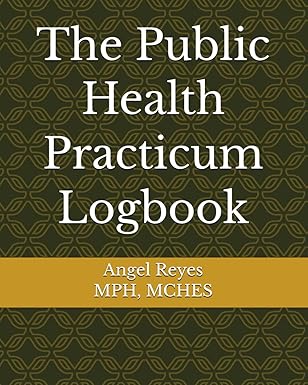
Get The Public Health Practicum Logbook on Amazon
What is a Public Health Practicum?
A Practical Learning Experience
A public health practicum is a vital component of any public health program, providing students with the opportunity to engage in real-world public health work. This experience is designed to focus on public health issues such as health equity, environmental health, and community health while developing practical solutions. By combining core courses with applied practice experience in diverse public health settings, students can bridge the gap between classroom knowledge and fieldwork.
The practicum allows students to apply their academic learning to real-world scenarios, such as program planning and health promotion initiatives. Through this practical experience, students gain valuable insights into public health communication, public policy, and other essential skills. Whether working with community-based organizations, healthcare facilities, or non-profit organizations, students emerge better equipped to tackle complex public health challenges.
Document Your Practicum the Right Way
The gap between classroom learning and real-world application is exactly what your practicum documentation should capture. The Public Health Practicum Logbook helps you track activities aligned to all 22 CEPH Foundational Competencies, building portfolio-ready evidence all semester long.
Get the Practicum Logbook →The Structure of a Public Health Practicum Course
Practicum Placement and Site Selection
The practicum placement process is critical to ensuring a meaningful learning experience for students. Opportunities are available in various public health settings, such as local health departments, non-profit organizations, and healthcare facilities. For those interested in community engagement, placements with community-based organizations are often a popular choice. These placements are carefully matched to students' career goals and areas of interest to ensure maximum relevance and impact.
Support from a practicum coordinator and site supervisor is integral during the placement process. The practicum coordinator helps students identify suitable practicum sites, while the site supervisor oversees the day-to-day activities and ensures students meet their learning objectives. This collaboration ensures that students gain practical experience in a supportive and structured environment.
Components of the Internship Program
Every public health practicum follows a structured approach to maximize learning outcomes. Field placement is aligned with the student's career goals and concentration competencies, ensuring that each practicum experience is tailored to individual needs. The creation of a practicum proposal is an essential step, outlining the practicum project, goals, and expected work products.
Practicum activities often involve collaborating with community partners and public health professionals to address real-world public health issues. These activities contribute to the completion of academic credits and provide students with tangible outcomes, such as reports, data collection analyses, and program development plans. This structure ensures that students gain both theoretical knowledge and practical skills in public health work.
Pro Tip: Creating a practicum proposal and tracking work products is much easier when you have a structured system. Students who document consistently produce stronger competency evidence and write better integrative learning papers.
Benefits of a Public Health Practicum for Students
Building Career Goals and Competencies
One of the primary benefits of a public health practicum is the opportunity to build essential competencies while working toward long-term career goals. Through hands-on experience, students develop skills in addressing critical issues such as environmental health and health equity. They also gain applied practice experience in areas like public health communication, data collection, and public policy development.
Engaging in public health service initiatives allows students to understand the complexities of the field while contributing to meaningful change. By the end of the practicum, students are better prepared for various roles within the public health career landscape, equipped with both the knowledge and the practical skills required to succeed. Many students go on to pursue credentials like CHES and MCHES certification to further advance their careers.
Turn Your Practicum Into Career Evidence
The skills you build during your practicum need documentation to become resume-ready. The Public Health Practicum Logbook includes a resume translator worksheet that converts your practicum activities into hiring-ready bullet points.
Opportunities for Graduate and International Students
The public health practicum is particularly beneficial for graduate students and international students who aim to gain practical experience in diverse public health settings. Tailored internship programs offer flexibility and support for students from varied backgrounds, helping them navigate their unique public health career pathways.
Career services and the office of public health practice provide additional resources to help students maximize their practicum experience. Networking opportunities with community partners, non-profit organizations, and public health professionals further enrich the learning experience, opening doors to future career prospects. Explore our professional development resources for additional career-building tools.
How to Start Your Public Health Practicum
The Application Process
The first step in starting a public health practicum is meeting with a practicum coordinator to explore available placement options. This initial consultation helps students identify a practicum site that aligns with their field placement interests and career aspirations. Once a suitable site is identified, students must submit a detailed practicum proposal outlining their planned practicum project, goals, and expected deliverables.
The application process ensures that both the student and the hosting organization are aligned on expectations, responsibilities, and learning outcomes. By carefully planning this phase, students can set the stage for a successful and fulfilling practicum experience.
Preparing for Your Learning Experience
Preparation is key to making the most of a public health practicum. Students should discuss their goals and expectations with their practicum supervisor and site supervisor before beginning their field placement. This dialogue helps clarify roles, responsibilities, and the scope of practicum activities.
Additionally, setting clear objectives for work products and planning the time commitment required for practicum activities can enhance the overall learning experience. By approaching the practicum with a well-defined plan, students can ensure they meet their academic and professional goals.
Start Strong: The best time to set up your documentation system is Week 1, not Week 14 when your ILE paper is due. Students who track consistently from day one produce stronger competency evidence and have concrete examples ready for job interviews.
Making the Most of Your Public Health Practicum
To maximize the benefits of a public health practicum, students should actively collaborate with community-based organizations and other public health stakeholders. Engaging in public health initiatives, such as health promotion or program planning, provides invaluable practical experience while contributing to community well-being.
Leveraging the learning experience gained during the practicum can significantly advance a public health career. By building a strong professional network, developing transferable skills, and producing impactful work products, students can position themselves as future leaders in the field of public health.