Project management is the structured approach of applying knowledge, tools, and techniques to meet project objectives effectively. It plays a crucial role in guiding teams through the project life cycle, ensuring project success by managing time, budget, and resources efficiently. As a discipline, it involves strategic decision-making and collaboration to achieve specific goals within a defined timeframe.
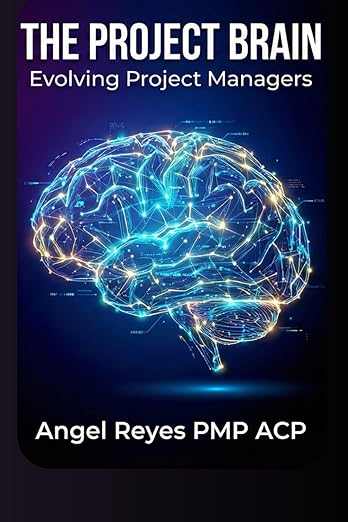
In today's fast-paced world, project management has become an essential skill set for handling complex projects across industries. Whether it's software development, product development, or any other domain, employing project management methodologies ensures better project outcomes, minimizes risks, and aligns with stakeholder expectations. By understanding and implementing these practices, organizations can meet project deliverables and drive continuous improvement.
Understanding Project Management Fundamentals
Definition and Application of Knowledge
Project management is the art and science of applying a structured approach to achieve project goals and deliverables. At its core, it involves the application of knowledge, skills, tools, and techniques to meet project requirements. This process is meticulously designed to guide project activities from inception to completion while ensuring alignment with the broader business objectives. The systematic planning and organization inherent in project management are what enable teams to handle complex projects effectively.
The Project Management Institute is a global authority that defines and standardizes project management practices. With its flagship guide, the project management body of knowledge (PMBOK), the institute provides professionals with an extensive framework for managing projects across industries. This body of knowledge is a valuable resource for tackling the challenges of project lifecycle phases, equipping practitioners with proven project management techniques and strategies.
Project management is important because it provides a roadmap for achieving project success. It helps organizations manage potential risks, optimize resource allocation, and ensure quality standards are upheld. By fostering effective communication and collaboration among project team members, project management minimizes confusion and promotes clarity, even in cross-functional teams handling different project scopes. Whether it's meeting tight deadlines or adhering to a project budget, project management ensures that every facet of the project aligns with stakeholder expectations.
The Project Management Life Cycle and Process Groups
Key Phases of Project Management
The project management life cycle is the backbone of any effective project management approach. It consists of distinct project phases that structure the progression of a project from start to finish. These phases, often categorized into process groups, include initiation, planning, execution, monitoring, and completion. Each phase serves a specific purpose and contributes to the overall project's success.
During the initiation phase, the focus is on defining the project's purpose and setting the foundation for project activities. A business case is often developed at this stage to justify the project and ensure alignment with organizational goals. Clear project objectives are established, and project stakeholders are identified. This phase is crucial as it determines whether the project is viable and worth pursuing.
The planning phase involves creating a detailed roadmap for managing the project. This includes drafting project documentation such as the project timeline, scope, and budget. Teams utilize project management tools like Gantt charts and work breakdown structures to outline project tasks and dependencies. Effective time management and resource allocation are key priorities during this phase to ensure a smooth transition into execution. Planning also includes preparing for potential risks by maintaining a risk register, which identifies, assesses, and mitigates project risks.
Next is the execution phase, where the project plan is put into action. This stage involves managing project activities to deliver the agreed-upon project deliverables. Effective project execution requires strong leadership, clear communication, and team collaboration. Tools like Kanban boards can help track work in progress and ensure that tasks are being completed as scheduled. Agile project management practices, such as iterative development cycles, are often employed during this phase to adapt to changing project requirements.
Monitoring and controlling occur concurrently with execution and are integral to maintaining project progress. This phase focuses on tracking project milestones, ensuring adherence to the project schedule, and making necessary adjustments to keep the project on track. Regular project status updates provide stakeholders with transparency and allow for proactive decision-making. By continuously monitoring the project's trajectory, teams can address scope creep, budget overruns, and other issues before they escalate.
Finally, the completion phase marks the end of the project lifecycle. This phase involves delivering the final project outcomes, ensuring that all project requirements have been met. Teams review lessons learned to identify what worked well and areas for improvement, fostering continuous improvement for future projects. Proper documentation of these insights ensures they can be applied to enhance the organization's project management framework.
Master Project Management - Get the Book
Top Project Management Methodologies
Agile and Scrum Master Approaches
Agile project management is one of the most popular project management methodologies, especially in dynamic industries like software development. Agile methodology focuses on flexibility, collaboration, and iterative progress. Instead of delivering a project as a whole at the end, Agile emphasizes breaking the project into smaller, manageable increments known as sprints. Each sprint focuses on specific goals and allows for continuous improvement based on feedback. Agile thrives in environments where project requirements are expected to evolve over time.
Scrum is a subset of Agile and is often led by a Scrum Master who ensures that the team adheres to Agile principles. The Scrum framework organizes work into time-boxed iterations called sprints, with daily stand-up meetings to track project progress. This approach enhances team collaboration and ensures quicker delivery of project milestones. Scrum is particularly effective for teams working on new product development or projects requiring frequent adjustments.
Waterfall and PRINCE2 Frameworks
Waterfall project management is a traditional, linear methodology that progresses through sequential phases. Each phase, such as initiation, planning, execution, and completion, must be completed before moving to the next. Waterfall is ideal for projects with well-defined project objectives, requirements, and timelines. For instance, construction projects or projects with minimal scope changes often benefit from this structured approach.
PRINCE2 (Projects in Controlled Environments) is another widely used methodology, particularly in government and large-scale industries. It provides a process-driven project management framework that emphasizes detailed documentation, defined roles, and clear decision-making. PRINCE2 is highly scalable and adaptable, making it suitable for both simple and complex projects. Its emphasis on business justification ensures that every project remains aligned with organizational goals.
Lean and Hybrid Project Management Methods
Lean project management focuses on maximizing value while minimizing waste. This methodology, derived from Lean manufacturing principles, aims to streamline processes, optimize resource allocation, and deliver high-quality outcomes. Lean is particularly effective for managing projects with tight constraints on time or budget. By eliminating unnecessary steps and focusing on value-adding activities, teams can achieve greater efficiency and productivity.
The hybrid project management method combines the best practices of multiple methodologies, such as Agile and Waterfall, to suit the unique needs of a project. For example, a hybrid approach might use Agile for software development while employing Waterfall for hardware production. This flexibility allows teams to adapt their project management techniques to diverse project requirements and stakeholder expectations, ensuring better results.
Essential Tools and Techniques for Managing Projects
Effective project management relies on a variety of tools and techniques designed to streamline processes and facilitate collaboration. These tools play a crucial role in planning, monitoring, and executing project tasks, ensuring that teams can meet project goals efficiently.
One of the most widely used tools is Gantt charts, which visually represent a project timeline. Gantt charts help project managers schedule tasks, track dependencies, and monitor progress. By providing a clear view of the project schedule, these charts make it easier to identify potential bottlenecks and adjust plans accordingly. They are particularly useful for managing project activities with strict deadlines.
Kanban boards are another powerful tool for tracking work in progress. Originating from Lean project management, Kanban boards visually display project tasks and their statuses, such as "To Do," "In Progress," and "Completed." This method promotes transparency and enhances team collaboration, making it easier to identify where resources should be allocated to maintain project progress.
Managing project risks is a critical aspect of project management, and a risk register is an indispensable tool in this regard. A risk register helps teams identify potential risks, assess their impact, and develop mitigation strategies. This proactive approach ensures that teams are prepared to handle challenges that could otherwise derail the project.
For breaking down complex projects, the work breakdown structure (WBS) is an essential technique. A WBS divides the project into smaller, manageable components, making it easier to assign responsibilities and track progress. This hierarchical approach ensures that every task is accounted for and aligns with the overall project objectives.
The critical path method (CPM) is another valuable technique for managing complex projects. CPM identifies the longest sequence of dependent tasks that determine the minimum project duration. By focusing on these critical tasks, project managers can ensure that the project remains on schedule. This method is particularly effective for projects with tight deadlines or multiple interdependencies.
Incorporating these tools and techniques into a project management framework not only enhances efficiency but also increases the likelihood of project success. By leveraging the right tools for the right tasks, teams can better navigate the challenges of managing projects and achieve their desired outcomes.
Elevate Your PM Skills - Get The Project Brain
Skills and Certifications for a Project Management Career
A successful project management career requires a diverse skill set and recognized certifications that validate expertise. As organizations increasingly rely on project managers to deliver critical business outcomes, having the right qualifications and abilities is essential for career growth and project success.
Project Management Professional (PMP Certification)
The Project Management Professional (PMP certification) is one of the most sought-after credentials in the field. Offered by the Project Management Institute, this certification demonstrates a deep understanding of the project management process, methodologies, and best practices. It is recognized globally and serves as a benchmark for project management excellence across industries. PMP certification requires passing an exam that tests knowledge in areas such as process groups, project phases, and application of knowledge to real-world scenarios.
Achieving this certification not only validates your expertise but also boosts your career prospects. Many organizations prefer or require certified professionals to lead their complex projects, making it a valuable asset for advancing in the field.
Effective Communication and Decision-Making Skills
Effective communication is a cornerstone of project management. Project managers must communicate clearly and persuasively with stakeholders, project team members, and cross-functional teams to ensure alignment on project goals. Whether it's providing project status updates or addressing stakeholder expectations, strong communication skills help bridge gaps and prevent misunderstandings.
Decision-making is another critical skill. Project managers frequently face situations that require quick and informed decisions, especially when managing project risks or resource allocation. Strong problem-solving abilities and the ability to analyze data enable managers to make decisions that keep projects on track, even in challenging circumstances.
Time Management and Resource Allocation Techniques
Time management is essential for meeting project deadlines and maintaining project progress. Project managers must be adept at scheduling tasks, prioritizing activities, and ensuring that resources are utilized efficiently. Tools like Gantt charts and Kanban boards can support effective time management by providing visual representations of the project timeline and work in progress.
Resource allocation is equally important, as it ensures that the right team members and tools are assigned to the right tasks. Balancing workloads, managing dependencies, and adapting to changes in resource availability are crucial for avoiding delays and ensuring project success.
Career Paths for Program Managers and Team Collaboration
For project managers looking to advance, pursuing a career path as a program manager can be an excellent next step. Program managers oversee multiple related projects, ensuring they align with broader organizational objectives. This role requires a strategic mindset, as well as the ability to manage stakeholder expectations and coordinate cross-functional teams.
Team collaboration is a fundamental aspect of both project and program management. Encouraging open communication, fostering a positive work environment, and promoting a shared understanding of project objectives contribute to effective teamwork. As projects grow in complexity, the ability to collaborate with diverse teams becomes increasingly important for achieving project outcomes and maintaining quality standards.
Project Management in Software Development
Software development is one of the most dynamic fields for applying project management principles. Given the rapid pace of technological advancements and changing user requirements, effective project management is essential for delivering high-quality software products on time and within budget.
Agile Methodology for New Product Development
Agile methodology is widely used in software development due to its flexibility and iterative nature. This approach is particularly effective for new product development, where project requirements often evolve based on user feedback. Agile allows teams to deliver working software in increments, ensuring that functionality can be tested and improved continuously. Techniques like daily stand-ups and sprint planning help keep the team aligned and focused on specific goals.
The iterative cycles in Agile promote adaptability, making it easier to address changes in scope or unforeseen challenges. This structured yet flexible approach ensures that the final product meets both user needs and quality standards.
Addressing Scope Creep and Project Requirements
Scope creep is a common challenge in software development projects, where additional features or changes to project requirements are introduced after work has begun. To mitigate this, project managers must clearly define the project scope during the planning phase and maintain ongoing communication with stakeholders. Using tools like a risk register and project documentation helps track changes and ensure they align with the original project objectives.
By managing scope creep effectively, teams can avoid delays, budget overruns, and misaligned deliverables. This ensures that the project stays on track and meets stakeholder expectations.
Cross-Functional Teams in Product Development
Cross-functional teams play a vital role in software development, as they bring together diverse skill sets and perspectives. These teams often include developers, designers, quality assurance specialists, and product managers, all working toward a shared goal. Effective team collaboration fosters innovation and ensures that all aspects of the product, from functionality to user experience, are addressed comprehensively.
Project managers in software development must facilitate communication and coordination among team members, ensuring that everyone understands their roles and responsibilities. This helps streamline project activities and enhances the overall efficiency of the team.
Structured Approaches for Software Project Execution
Executing software projects requires a structured approach to ensure that tasks are completed efficiently and meet quality standards. This involves creating a detailed project plan, setting realistic timelines, and using project management tools to monitor progress. Techniques like the critical path method and work breakdown structures can help identify dependencies and prioritize tasks, ensuring that the project stays on schedule.
Additionally, employing a hybrid approach that combines Agile with other methodologies, such as Waterfall, can be beneficial. For example, Agile can be used for iterative development cycles, while Waterfall can provide a clear structure for overall project phases. This flexibility allows teams to adapt to changing requirements while maintaining a clear direction for the project.
By applying these principles and methodologies, project managers in software development can deliver products that meet user needs, align with stakeholder expectations, and achieve business objectives.
Transform Your Projects - Get The Project Brain
Best Practices for Effective Project Management
Effective project management goes beyond using tools and methodologies; it involves adhering to best practices that ensure projects are completed successfully and consistently meet or exceed stakeholder expectations. By focusing on clear objectives, quality standards, and continuous improvement, project managers can enhance their ability to deliver valuable outcomes.
Setting Project Objectives and Specific Goals
One of the foundational best practices in project management is setting clear project objectives and specific goals. These provide a roadmap for the project and guide the efforts of the project team members. Objectives should be SMART (Specific, Measurable, Achievable, Relevant, and Time-bound) to ensure they are actionable and trackable throughout the project lifecycle. For example, instead of aiming to "improve customer experience," a SMART goal would be "to increase customer satisfaction scores by 20% within six months."
By defining clear objectives, project managers can align their teams' efforts and make better decisions throughout the project phases. Well-defined goals also help mitigate scope creep by keeping the project focused on its original intent.
Ensuring Stakeholder Expectations and Quality Standards
Meeting stakeholder expectations is a critical factor in a project's success. Regular communication with stakeholders helps ensure that their needs and concerns are understood and addressed. This includes providing frequent project status updates and making adjustments when necessary to keep the project aligned with their expectations. Tools such as Gantt charts and Kanban boards can visually convey progress, helping stakeholders stay informed.
Adhering to quality standards is equally important. Projects must not only meet deadlines and budgets but also deliver outcomes that meet predefined quality requirements. This involves implementing quality assurance practices during the execution phase to ensure that deliverables meet the agreed-upon standards. Maintaining a focus on quality throughout the project lifecycle helps build trust with stakeholders and ensures long-term success.
Continuous Improvement Throughout Project Phases
Continuous improvement is a hallmark of effective project management. Teams should regularly evaluate their processes and performance to identify opportunities for optimization. This can be achieved through retrospective meetings or post-project reviews, where teams analyze what worked well and what could be improved. Documenting lessons learned ensures that these insights are not lost and can be applied to future projects.
For instance, adopting an iterative approach such as Agile methodology allows teams to incorporate feedback and improve after every sprint. This not only enhances the current project but also fosters a culture of innovation and adaptability that benefits the organization as a whole.
Using the Project Management Body of Knowledge
The project management body of knowledge (PMBOK) serves as a comprehensive guide for managing projects effectively. It outlines essential knowledge areas, process groups, and best practices that project managers can adapt to various industries and project types. By leveraging this resource, project managers can standardize their approach, ensuring consistency and efficiency across projects.
For example, the PMBOK emphasizes critical aspects such as communication management, risk management, and procurement management. Adopting these practices helps streamline project execution and ensures all project activities are aligned with organizational goals.
Procurement Management for Project Deliverables
Procurement management is a vital component of project management, particularly for projects that rely on external vendors or suppliers. This involves selecting vendors, negotiating contracts, and managing the procurement of goods or services required for the project. Clear communication and defined expectations with vendors are essential to avoid delays or quality issues.
Ensuring that procurement processes are aligned with the project timeline and budget is critical for maintaining project progress. Additionally, thorough documentation of procurement activities helps avoid disputes and provides a clear record for future reference.
Measuring Project's Success and Avoiding Pitfalls
Measuring the success of a project involves more than just meeting deadlines and budgets. It requires assessing how well the project met its objectives, delivered value, and satisfied stakeholders. Additionally, avoiding common pitfalls such as cost overruns and unmanaged risks is essential for ensuring positive outcomes.
Tracking Project Milestones and Project Schedule
Project milestones are key indicators of progress and success. These significant events or deliverables mark the completion of major phases or tasks within the project. Tracking milestones helps project managers monitor whether the project is on schedule and ensures that teams stay aligned with the overall timeline. Tools like Gantt charts and project management software provide a visual representation of milestones, making it easier to identify any delays or bottlenecks.
The project schedule plays a crucial role in maintaining momentum. By regularly reviewing the schedule and comparing it with actual progress, project managers can make informed adjustments to keep the project on track. This proactive approach minimizes disruptions and ensures a smoother execution phase.
Minimizing Potential Risks and Managing Project Costs
Managing potential risks is a cornerstone of effective project management. Identifying risks early, assessing their potential impact, and implementing mitigation strategies can prevent issues from escalating. A risk register is a valuable tool for documenting and managing risks throughout the project lifecycle.
Controlling project costs is equally important for ensuring the project stays within budget. This involves regular budget tracking, analyzing variances, and making necessary adjustments to prevent overspending. Effective resource allocation and procurement management also contribute to cost control by ensuring that resources are used efficiently.
Ensuring Project Status Updates and Project Budget Control
Frequent project status updates are essential for keeping stakeholders informed and maintaining transparency. These updates should provide an overview of progress, challenges, and any changes to the project scope or timeline. Regular communication builds trust and ensures that all parties remain aligned with project objectives.
Budget control is another critical aspect of project management. By closely monitoring expenditures and comparing them against the project budget, managers can identify potential overruns early. Adjustments can then be made to prioritize tasks or reallocate resources, ensuring financial constraints are respected without compromising project outcomes.
Lessons Learned to Improve Future Project Outcomes
Documenting lessons learned is one of the most valuable practices for improving future project outcomes. After the project completion phase, teams should conduct a thorough review to identify successes, challenges, and areas for improvement. These insights provide a foundation for refining processes and avoiding recurring issues.
For example, if a team identifies that scope creep was a recurring problem, they can implement stricter scope management practices for future projects. By applying lessons learned, organizations can enhance their project management framework and achieve greater efficiency and effectiveness over time.
Next Steps in Your Project Management Journey
As you continue to build your project management skills, exploring advanced areas such as program management and project portfolio management can open new opportunities. Program managers oversee multiple related projects, ensuring alignment with broader business goals, while project portfolio management focuses on prioritizing and balancing various projects to maximize organizational value. These advanced disciplines offer a chance to deepen your impact and contribute strategically to your organization.
Expanding your knowledge areas and adopting structured approaches can further enhance your expertise. Whether through pursuing certifications like PMP or mastering methodologies such as Agile or PRINCE2, continuous learning is key. By integrating best practices and embracing tools that align with your projects' needs, you can achieve consistent success and drive innovation in your field.