The CEPH foundational competencies checklist for MPH students serves as a critical guide to mastering the essential skills and knowledge areas required for success in public health practice. These competencies, established by the Council on Education for Public Health, focus on ensuring students are well-prepared to address population health, health equity, and the broader challenges faced by public health professionals.
By understanding the basic principles of public health research and applying evidence-based approaches, MPH students can navigate the complexities of health care systems and public health programs. This checklist provides a comprehensive framework that emphasizes cultural competence, social and behavioral sciences, and the roles of ethics in addressing diverse communities' health needs.
The Only Logbook Built Around CEPH Competencies
Stop scrambling to document competencies at the end of your practicum. The Public Health Practicum Logbook gives you competency selection worksheets aligned to all 22 CEPH Foundational Competencies, weekly reflection journals, and built-in supervisor sign-off sections.
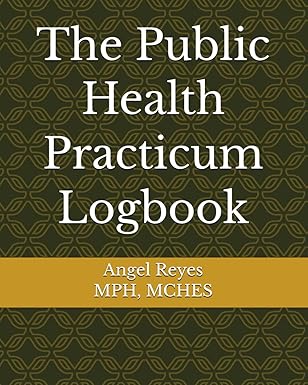
Get The Public Health Practicum Logbook on Amazon
Overview of MPH Foundational Competencies
What Are MPH Foundational Competencies?
MPH foundational competencies represent a set of core skills and knowledge areas that students in public health programs must develop to effectively address population needs and promote health. These competencies are grounded in the basic principles of public health research and are designed to foster an understanding of the social and behavioral sciences, environmental health sciences, and epidemiological methods. By focusing on population health and health equity, these competencies ensure that students are equipped to address the pressing health challenges of today and tomorrow.
An essential component of these competencies is understanding the roles of ethics in public health practice. Ethics guide decision-making processes and help professionals balance the complexities of promoting health while respecting cultural values and addressing social inequities. Through this foundation, MPH students are better prepared to approach community challenges with both compassion and expertise.
Track All 22 CEPH Competencies in One Place
The Public Health Practicum Logbook is the only documentation system built specifically around CEPH accreditation requirements. Map your practicum activities directly to all 22 foundational competencies and build portfolio-ready evidence all semester long.
Get the Practicum Logbook →The Role of CEPH in Public Health Education
The Council on Education for Public Health (CEPH) plays a pivotal role in shaping public health education by setting high standards for public health programs. These standards emphasize evidence-based approaches, ensuring that students rely on qualitative data collection methods and robust data analysis to inform their decisions. Through this focus, CEPH helps bridge the gap between academic learning and real-world applications in given public health contexts.
CEPH also prioritizes addressing social inequities and fostering cultural competence among students. By emphasizing the importance of understanding diverse populations and structural bias, the council ensures that graduates are capable of tackling the systemic barriers that hinder health outcomes. This comprehensive approach prepares students to navigate the regulatory systems and economic policies that influence communities' health globally.
Key Areas of the CEPH Foundational Competencies
Core Public Health Knowledge Domains
The foundational competencies cover a wide range of knowledge domains that are critical to the field of public health. These include environmental health sciences, behavioral sciences, and the use of epidemiological methods to analyze and address health trends. Students are also trained in qualitative data collection methods, which allow them to capture insights that quantitative data may overlook, particularly in understanding the nuances of different audiences and cultural groups.
Additionally, understanding the function of health care systems and economic policies is crucial for MPH students. These areas provide the context for how health care services are delivered, funded, and regulated, which directly impacts the design and implementation of public health programs. This knowledge enables students to engage effectively in the policy-making process and advocate for population-based policy initiatives that promote health equity.
Skills for Addressing Population Needs
Addressing population needs requires a strong foundation in data analysis and the ability to interpret the results of data analysis effectively. These skills allow students to identify trends, evaluate the impact of interventions, and propose strategies to improve health outcomes. Additionally, systems thinking tools are essential for resolving community challenges, as they help students understand the interconnectedness of various factors influencing health.
MPH students are also encouraged to apply population-based policy to promote health at both the local and global levels. By integrating this knowledge with resource management and the tools of budget planning, they can design sustainable programs that address the specific needs of diverse populations. This practical approach ensures that public health initiatives are both effective and equitable.
Pro Tip: Understanding competencies is one thing; demonstrating them is another. During your public health practicum or internship, you'll need to show evidence of applying these skills. Students who document their competency development systematically produce stronger portfolios and integrative learning papers.
Practical Applications in Public Health Practice
Practical applications of the foundational competencies include planning and management for public health programs. Students learn to develop actionable plans that align with the unique characteristics of the communities they serve. By utilizing skills such as mediation and interprofessional practice, they can foster collaboration among stakeholders and drive meaningful change.
In addition, MPH students are trained to propose strategies that improve health outcomes while addressing underlying factors such as social inequities and cultural competence. By leveraging their understanding of qualitative data, regulatory systems, and the tools of budget management, they can implement interventions that are both evidence-based and culturally appropriate. This comprehensive approach prepares students for leadership roles in public health practice.
From Competency Checklist to Career Evidence
Your practicum experience is where you demonstrate these competencies in action. The Public Health Practicum Logbook includes competency selection worksheets aligned to all 22 CEPH competencies, plus a resume translator to convert your work into hiring-ready bullet points.
How MPH Students Can Utilize the Checklist
Preparing for Careers in Public Health
MPH students can utilize the CEPH foundational competencies checklist to prepare for diverse career paths in public health. By building mediation skills and understanding the policy-making process, students become adept at navigating complex regulatory systems and advocating for effective health promotion strategies. These competencies also equip them to address the health needs of diverse populations with cultural competence and awareness of structural bias.
Additionally, students can apply the checklist to gain expertise in interprofessional practice and resource management. These skills are critical for designing, implementing, and evaluating public health programs that respond to real-world challenges. By mastering these areas, students position themselves as valuable contributors to improving communities' health globally. Many students go on to pursue credentials like MCHES certification to further advance their careers.
Effective Communication and Problem-Solving
Effective communication is a cornerstone of public health practice, and the checklist helps MPH students refine their ability to select communication strategies for different audiences. Whether delivering an oral presentation to policymakers or engaging with community members in international settings, students learn to tailor their messages to ensure clarity and impact. This adaptability is key to addressing public health issues in various contexts.
Moreover, the checklist emphasizes the importance of problem-solving skills in tackling relevant issues. By integrating cultural competence and evidence-based approaches, students can develop innovative solutions that address both immediate needs and long-term health outcomes. This focus on communication and critical thinking prepares students to excel in diverse public health areas. Explore our professional development resources for additional career-building tools.